
The plaintiffs claimed that they have been using the mark since 2019 for fast food services. Hence, the mark was originally adopted and owned by them. According to reports, the brand has become well-known in the Indo-Lebanese Quick Service Restaurant (QSR) market, growing from its beginnings as a food truck to more than thirty operating locations in key cities like Mumbai, Thane, Pune, and Navi Mumbai. The plaintiffs further stressed that the particular mark is already registered under Class 43, which deals with food and hospitality services, and that it has also developed secondary meaning as a result of substantial customer engagement, widespread marketing, and a digital presence.
The plaintiffs also claimed and contended about their online presence through digital promotions and franchise events. Furthermore, they have established presence on the platforms such as Swiggy and Zomato. Therefore, they claim that they have established goodwill and reputation.
CONTENTIONS MADE:
The plaintiffs claim that Defendants use the same mark, “Shawarmaji,” to run a restaurant with a similar design that served shawarma and related foods. The plaintiffs claimed that the trade dress, color scheme, logo appearance, and branding style were all confusingly similar, leading to consumer confusion. When the plaintiffs discovered that the defendant’s restaurant was advertised on meal delivery services, they immediately approached possible franchise partners with fraudulent claims of ownership and permission to provide franchise rights under the same brand name. This led to a worsening of the issue. The plaintiffs claimed that this led to a loss of revenue, confusion among potential franchisees, and harm to their goodwill.
The defendant after receiving the cease and desist notice acknowledged the infringement and promised to withdraw and replace the mark in a response provided by the plaintiffs. The plaintiffs saw the defendant’s claimed continuous use of the mark on various platforms and locations in spite of this acknowledgement as unmistakable proof of malicious intent.
COURT’S FINDINGS AND LEGAL REASONING:
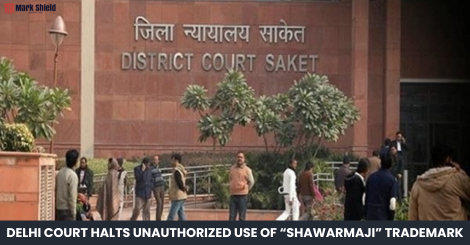
The court stated that the plaintiffs have shown a compelling prima facie case after considering the evidence. The judge observed that the plaintiff’s trademark was registered and that they had proven and established the brand’s reputation, widespread public recognition, and regular commercial use. It is neither accidental nor innocent that the defendant adopted a similar mark, particularly when both are in similar services. The court noted that such behavior was likely to mislead consumers and constituted both passing off under common law and violation under Section 29 of the Trade Marks Act, 1999.
The court further noted that the defendant had not submitted any explanation as defense and had not shown up despite being properly served. The plaintiff’s claim of malafide misuse was reinforced by this non-compliance. The court stated that as prolonged use of the infringing mark would result in irreversible injury that could not be sufficiently compensated financially, the balance of convenience plainly favored the plaintiffs.
CONCLUSION:
As a result, the court prohibited Defendant from using the “Shawarmaji” trademark or any comparable variation in relation to food services, sales, marketing, licensing, or online listings. Furthermore, the court ordered the mandate that online delivery platforms- SWIGGY AND ZOMATO to take down the listings of the infringing brand from their websites and applications. The defendants were expected to submit their written statements at the next hearing, which is set for December 17, 2025.
This decision demonstrates the growing court focus on brand name protection in India’s cutthroat food service industry. It also emphasizes how digital intermediaries must respond appropriately when they become aware of intellectual property infringements.
Mark Shield was pleased to assist the Plaintiff in this matter.
